If you're fascinated by Tibetan Buddhism, Himalayan history, and ancient culture, the Namgyal Institute of Tibetology (NIT) in Gangtok is a destination you simply cannot miss. Widely regarded as one of the world's most respected centers for Tibetan studies, the institute is home to priceless Buddhist manuscripts, rare artifacts, centuries-old sculptures, traditional thangka paintings, and one of the largest collections of Tibetan books outside Tibet.
Nestled amid peaceful gardens and traditional architecture, the institute offers visitors a unique opportunity to explore the spiritual and cultural heritage of Sikkim and the Eastern Himalayas.
Whether you're a history enthusiast, researcher, photographer, student, or traveler seeking a deeper understanding of Buddhist culture, the Namgyal Institute of Tibetology promises an enriching experience.
About the Namgyal Institute of Tibetology
Established in 1958 by the Government of Sikkim and inaugurated by the 14th Dalai Lama, the Namgyal Institute of Tibetology is dedicated to preserving, promoting, and researching Tibetan language, Buddhist philosophy, art, and Himalayan culture.
The institute has earned international recognition as a leading research center, attracting scholars from around the world. It also houses a museum, an extensive library, and valuable archives that document centuries of Buddhist history.
Why Visit the Namgyal Institute of Tibetology?
The institute is much more than a museum. It is a gateway to the rich cultural traditions of the Himalayas.
Highlights include:
Rare Buddhist manuscripts
Ancient Tibetan scriptures
Beautiful bronze statues
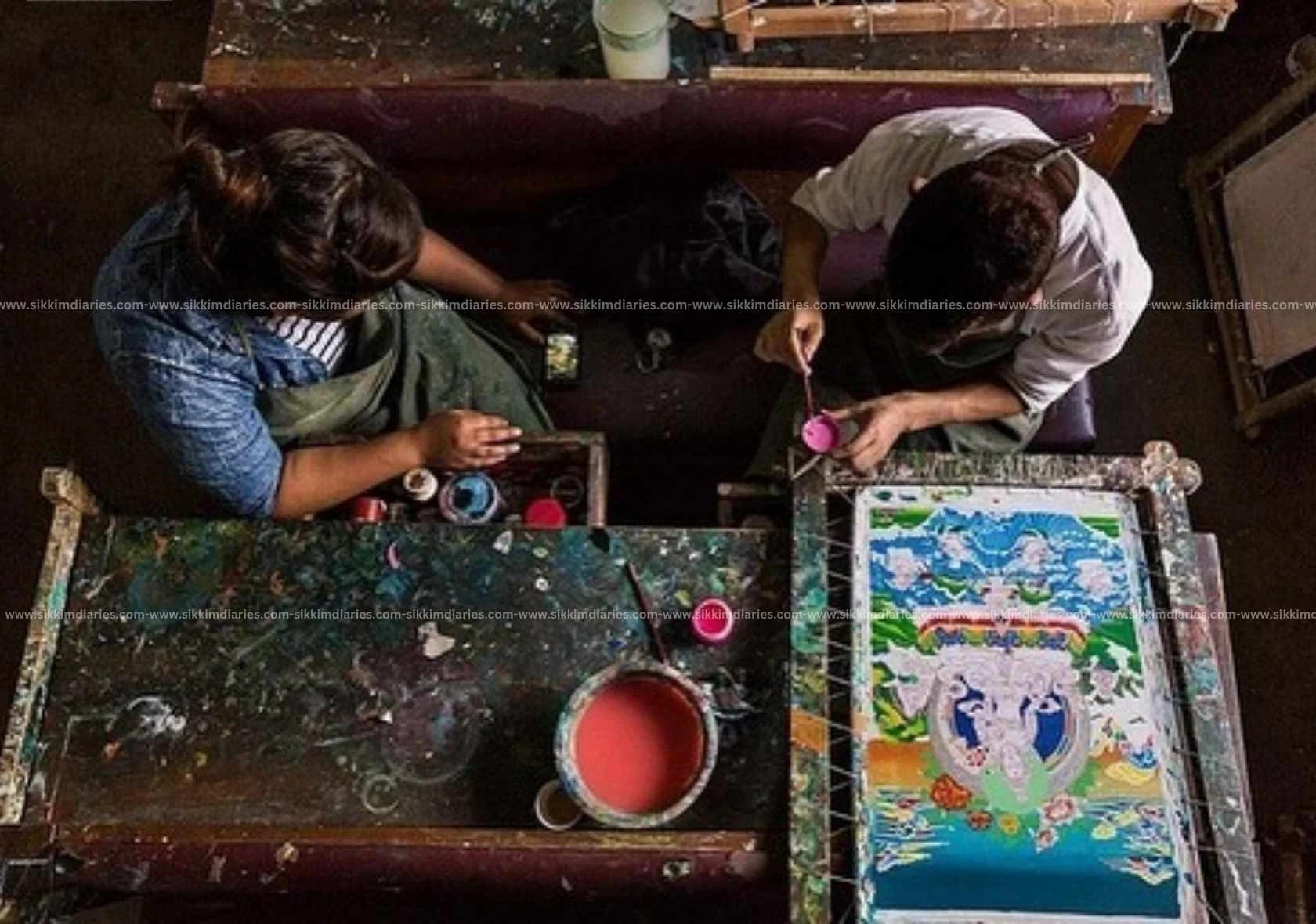
Traditional thangka paintings
Sacred ritual objects
Historical coins and artifacts
One of the finest collections of Tibetan literature
Peaceful surroundings ideal for learning and reflection
It is one of Gangtok's best places to understand the region's cultural identity.
Museum Highlights
The museum showcases an impressive collection of Buddhist treasures.
Visitors can explore:
Ancient handwritten manuscripts
Rare Buddhist sculptures
Ritual masks
Tibetan musical instruments
Sacred relics
Prayer wheels
Traditional ceremonial objects
Historic coins and stamps
Every gallery offers fascinating insights into Tibetan Buddhist history and Himalayan civilization.
Library and Research Centre
One of the institute's greatest assets is its renowned library.
It contains:
Thousands of Tibetan books
Buddhist scriptures
Sanskrit manuscripts
Historical documents
Research journals
Rare publications on Himalayan studies
Although the library primarily serves researchers, its global reputation makes the institute an important destination for scholars.
Architecture
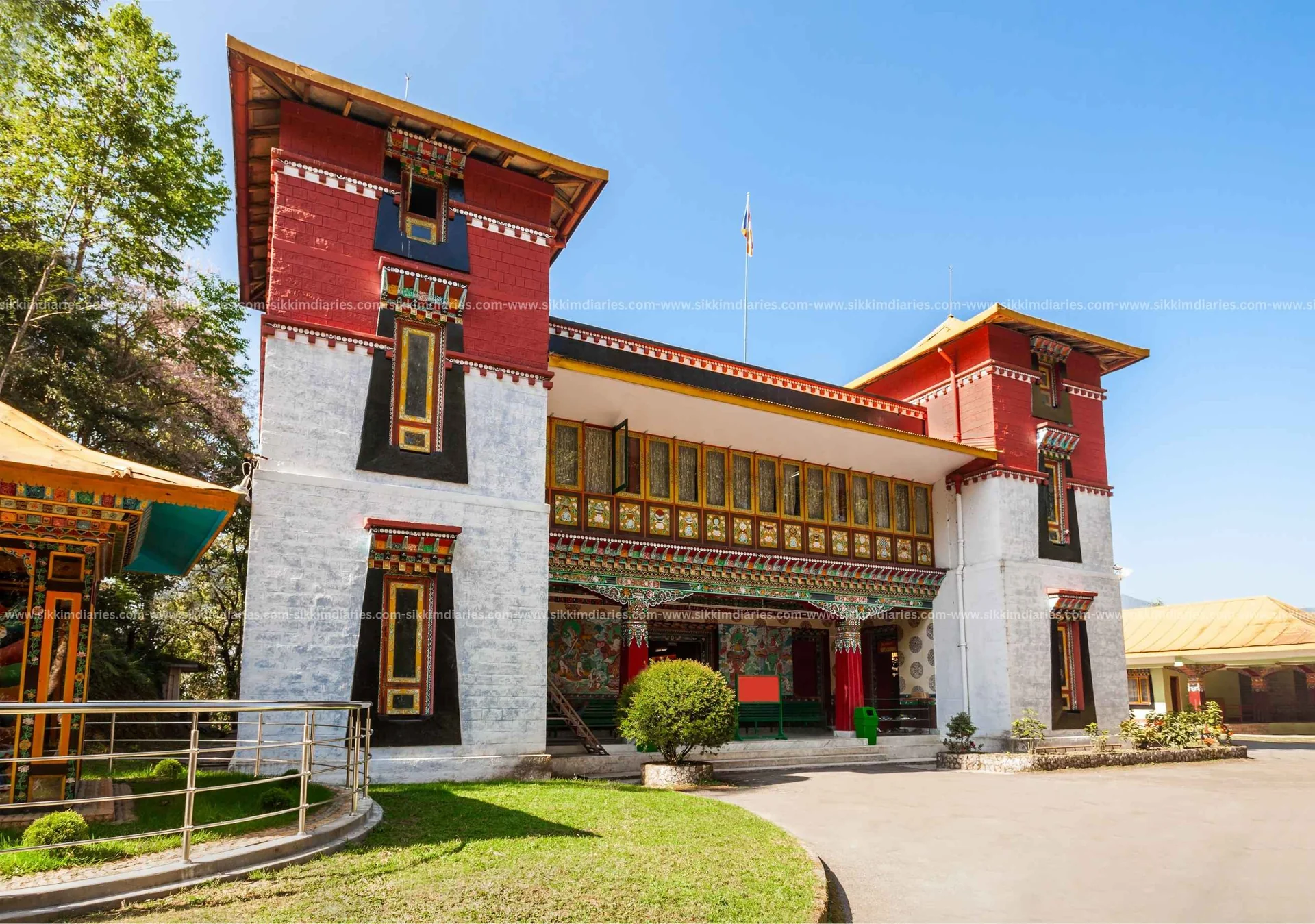
The institute itself is a work of art.
Designed in traditional Tibetan style, it features:
Intricately carved wooden windows
Vibrant Buddhist motifs
Colorful murals
Ornamental roofs
Prayer flags
Beautiful landscaped gardens
Its peaceful setting makes it one of the most photogenic cultural attractions in Gangtok.
Best Time to Visit
The Namgyal Institute of Tibetology can be visited throughout the year.
Spring (March–May)
Pleasant weather and blooming flowers make spring one of the best seasons.
Summer (June)
Comfortable temperatures with lush green surroundings.
Monsoon (July–September)
The gardens become vibrant, though occasional rain is expected.
Autumn (October–November)
Clear skies and pleasant weather provide ideal sightseeing conditions.
Winter (December–February)
Cool temperatures and fewer visitors create a quiet atmosphere for exploring the museum.
Entry Fee & Timings
Opening Hours: Generally 10:00 AM – 4:00 PM
Closed: Sundays and certain public holidays.
An entry fee is usually charged for the museum, and separate charges may apply for photography. It's a good idea to confirm the latest timings and ticket prices before your visit.
How to Reach
The institute is located about 2 km from MG Marg, making it easily accessible by taxi or private vehicle.
Nearest Airport: Bagdogra Airport
Nearest Railway Station: New Jalpaiguri (NJP)
Most Gangtok sightseeing tours include the institute as a regular stop.
Nearby Attractions
You can combine your visit with several nearby attractions:
Together, these attractions make for a rewarding full-day Gangtok sightseeing itinerary.
Travel Tips
Visit in the morning for a quieter experience.
Dress respectfully, as it is a place of cultural and religious importance.
Read the display information to better appreciate the exhibits.
Follow photography rules inside the museum.
Allow at least one to two hours to explore the galleries.
Carry a notebook if you're interested in history or Buddhist studies.
Why Visit the Namgyal Institute of Tibetology?
Unlike many tourist attractions, the Namgyal Institute of Tibetology offers an educational and cultural experience. It helps visitors understand the deep connection between Buddhism, Himalayan traditions, and the history of Sikkim.
Whether you're interested in ancient manuscripts, Buddhist philosophy, art, or architecture, the institute provides one of the most rewarding experiences in Gangtok.
Frequently Asked Questions (FAQs)
1. Where is the Namgyal Institute of Tibetology located?
The Namgyal Institute of Tibetology is located in Deorali, Gangtok, East Sikkim, about 2 km from MG Marg. It is one of the most important centers for Tibetan Buddhist studies in India.
2. Why is the Namgyal Institute of Tibetology famous?
The institute is famous for its extensive collection of rare Tibetan manuscripts, Buddhist scriptures, sacred artifacts, statues, thangkas, and one of the finest museums dedicated to Tibetan culture and Buddhism.
3. What can visitors see at the Namgyal Institute of Tibetology?
Visitors can explore ancient Buddhist manuscripts, rare thangka paintings, bronze statues, ritual objects, ancient coins, religious artifacts, and a well-maintained museum showcasing Tibetan heritage.
4. Is there an entry fee for the Namgyal Institute of Tibetology?
Yes. A nominal entry fee is charged for visitors. Ticket prices may vary, so it's advisable to check the latest rates before visiting.
5. What are the opening hours of the Namgyal Institute of Tibetology?
The institute is generally open from 10:00 AM to 4:00 PM, Monday to Saturday, and remains closed on Sundays and public holidays.
6. What is the best time to visit the Namgyal Institute of Tibetology?
The best time to visit is from March to May and October to November, when the weather is pleasant and ideal for sightseeing in Gangtok.
7. How can I reach the Namgyal Institute of Tibetology?
The institute is easily accessible by taxi, private vehicle, or as part of a Gangtok local sightseeing tour. It is only a 10-minute drive from MG Marg.
8. Is photography allowed inside the museum?
Photography is generally not allowed inside the museum galleries to protect the valuable artifacts. However, photography is usually permitted in the gardens and exterior areas.
9. How much time should I spend at the Namgyal Institute of Tibetology?
Most visitors spend 1 to 2 hours exploring the museum, library, prayer halls, and beautifully landscaped gardens.
10. Is the Namgyal Institute of Tibetology suitable for children?
Yes. The institute is suitable for families, students, history enthusiasts, and anyone interested in Buddhism, Tibetan culture, and Himalayan heritage.
11. What are the nearby attractions?
Nearby attractions include Do Drul Chorten, Gangtok Ropeway, Banjhakri Falls & Energy Park, MG Marg, Enchey Monastery, Flower Exhibition Centre, Ganesh Tok, and Tashi View Point.
12. Why is the Namgyal Institute of Tibetology important?
Established in 1958, it is one of the world's leading institutions for Tibetan Buddhist research and plays a vital role in preserving Tibetan art, history, language, and culture.
13. Is the institute worth visiting?
Absolutely. It is one of Gangtok's top cultural attractions, offering a fascinating insight into Tibetan Buddhism, Himalayan history, and centuries-old Buddhist traditions.
14. Can I buy books or souvenirs at the institute?
Yes. The institute has a small souvenir and book shop where visitors can purchase books on Buddhism, postcards, handicrafts, and Tibetan cultural items.
15. Can the Namgyal Institute of Tibetology be included in a Gangtok sightseeing tour?
Yes. It is a popular stop on most Gangtok local sightseeing tours, often combined with Do Drul Chorten, Gangtok Ropeway, MG Marg, Enchey Monastery, and Banjhakri Falls.
The Namgyal Institute of Tibetology is one of Gangtok's most treasured cultural landmarks. Its priceless collections, peaceful surroundings, and world-class research heritage make it an essential stop for anyone interested in the rich traditions of the Himalayas.
A visit here offers much more than sightseeing, it provides a deeper appreciation of Tibetan Buddhism, Sikkim's heritage, and the enduring cultural legacy of the Eastern Himalayas.
Plan Your Trip with Sikkim Diaries Tours & Treks
Exploring Sikkim is easier when you travel with experienced local experts. Sikkim Diaries Tours & Treks is a registered travel agency based in Sikkim, offering customized tour packages, private taxi services, hotel bookings, trekking expeditions, and permit assistance for travelers visiting the Eastern Himalayas.
Whether you're planning a family vacation, honeymoon, adventure tour, bike trip, or trekking expedition, our local team helps you experience Sikkim comfortably and safely. We create personalized itineraries based on your travel style, budget, and the season, ensuring you make the most of your journey.
Our Services
Customized Sikkim Tour Packages
Gangtok, Pelling, Lachung & Lachen Tours
Silk Route & Zuluk Tour Packages
Darjeeling & North Bengal Tours
North Sikkim Permit Assistance
Nathula Pass Permit Assistance
Hotel & Homestay Bookings
Airport & Railway Station Transfers
Private Taxi & Cab Services
Trekking & Adventure Tours
Group Tours & Corporate Trips
Honeymoon & Family Holiday Packages
Why Choose Sikkim Diaries Tours & Treks?
Local travel experts with extensive destination knowledge
Registered travel agency in Sikkim
Transparent pricing with no hidden charges
Comfortable vehicles driven by experienced local drivers
Carefully selected hotels and homestays
24/7 travel support throughout your journey
Personalized itineraries tailored to your needs
If you're planning a trip to Sikkim, contact Sikkim Diaries Tours & Treks for a hassle-free travel experience. Our team will help you design the perfect itinerary based on your interests, travel dates, and budget.
Share this article
About the Author
Suk Rani Rai
A passionate travel writer based in Sikkim, exploring the hidden corners of the Eastern Himalayas. Dedicated to sharing authentic travel experiences, local culture, and practical tips to help you discover the magic of Sikkim.