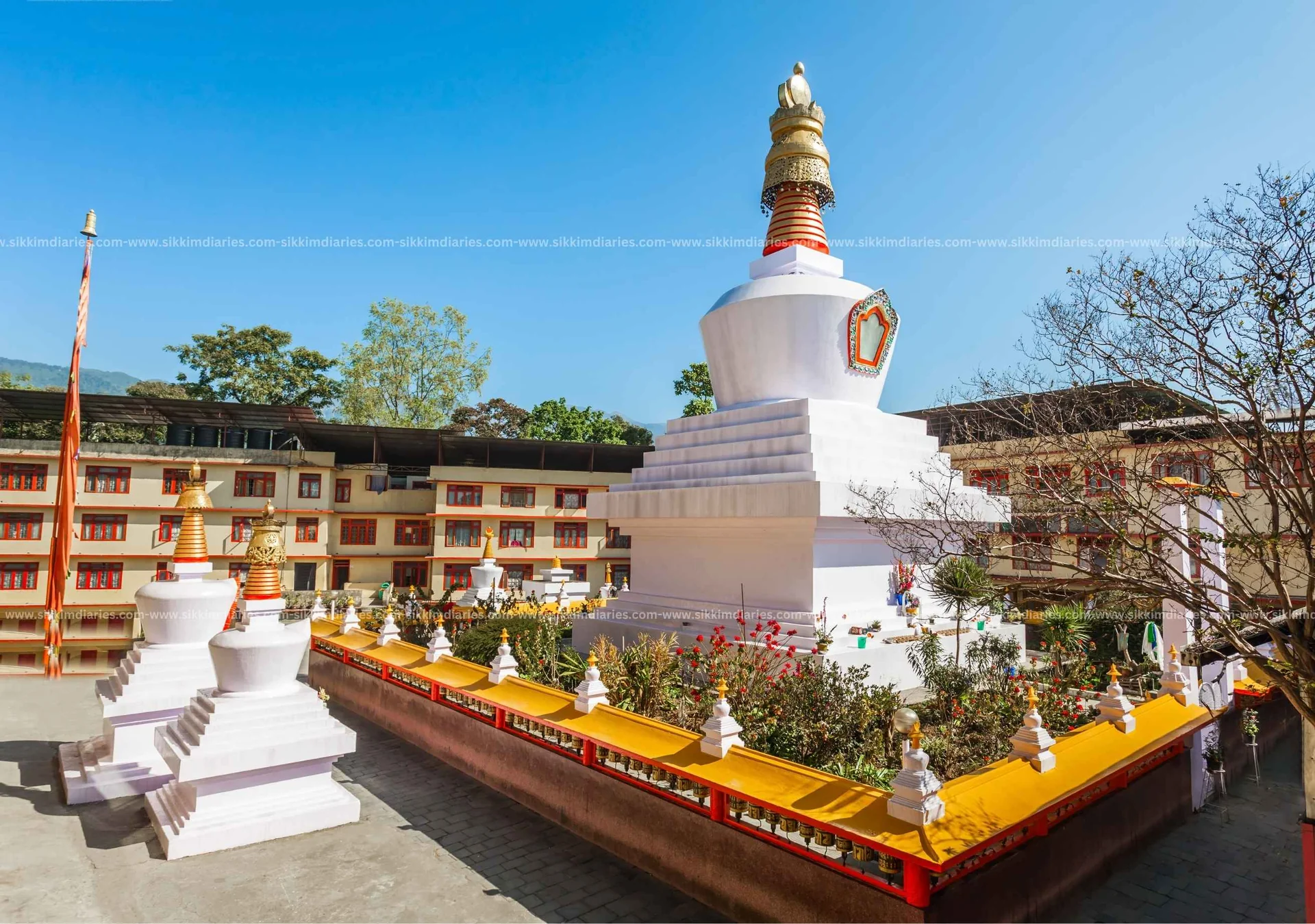
Standing gracefully amid fluttering prayer flags and surrounded by peaceful monasteries, Do Drul Chorten is one of the most revered Buddhist stupas in Sikkim. Located in the heart of Gangtok, this sacred monument is a symbol of peace, spirituality, and Tibetan Buddhist heritage.
Built in 1945 by the respected Buddhist master Trulshik Rinpoche, Do Drul Chorten attracts thousands of pilgrims and travelers every year. Its magnificent golden dome, sacred relics, and rows of prayer wheels create an atmosphere of serenity that makes it one of the must-visit attractions in Gangtok.
Whether you're interested in Buddhism, history, architecture, or simply seeking a peaceful place to reflect, Do Drul Chorten offers an unforgettable cultural experience.
About Do Drul Chorten
Do Drul Chorten is one of the most important Buddhist stupas in Sikkim and serves as a major center for prayer and meditation.
The stupa was established under the guidance of Trulshik Rinpoche, head of the Nyingma school of Tibetan Buddhism. It is believed to contain sacred scriptures, religious relics, and other holy objects that make it an important pilgrimage site for Buddhists.
Today, the chorten remains a place where locals and visitors gather to offer prayers, spin the prayer wheels, and experience the peaceful spiritual atmosphere.
Why Visit Do Drul Chorten?
Do Drul Chorten is much more than a religious monument.
Beautiful golden stupa
108 prayer wheels surrounding the monument
Peaceful meditation atmosphere
Rich Buddhist history
Traditional Tibetan architecture
Prayer flags decorating the surroundings
Excellent cultural and spiritual experience
Beautiful photography opportunities
The peaceful ambiance makes it one of Gangtok's most relaxing places to visit.
The 108 Prayer Wheels
One of the most striking features of Do Drul Chorten is the 108 prayer wheels that surround the monument.
Visitors traditionally walk clockwise around the stupa while gently spinning each prayer wheel. According to Buddhist belief, spinning the wheels while offering prayers symbolizes compassion, wisdom, and the accumulation of positive karma.
This simple ritual provides visitors with a meaningful glimpse into Tibetan Buddhist traditions.
Best Time to Visit
The chorten is open throughout the year.
Spring (March–May)
Pleasant weather and blooming flowers make spring one of the best seasons to visit.
Summer (June)
Comfortable temperatures with lush greenery surrounding the monastery complex.
Monsoon (July–September)
The gardens become vibrant, although occasional rainfall is expected.
Autumn (October–November)
Clear skies and excellent visibility make autumn ideal for sightseeing and photography.
Winter (December–February)
Cool weather and fewer crowds provide a peaceful atmosphere for meditation and exploration.
Architecture
Do Drul Chorten showcases traditional Tibetan Buddhist architecture.
Visitors can admire:
The white dome symbolizing purity
A golden spire
Colorful prayer flags
Intricate religious artwork
Beautiful monastery surroundings
Traditional Buddhist symbols
The combination of vibrant colors and sacred architecture creates a visually stunning landmark.
Nearby Attractions
Do Drul Chorten is conveniently located close to several popular attractions:
Namgyal Institute of Tibetology - https://share.google/iuELBW5Nh6DCPiZWJ
Banjhakri Falls & Energy Park - https://share.google/q3wLmW3ZOKFq4cnDx
You can easily include these places in a full-day Gangtok sightseeing itinerary.
Entry Fee & Timings
Entry Fee: Free
Opening Hours: Approximately 8:00 AM – 6:00 PM
Visitors are encouraged to dress modestly and maintain silence inside the prayer area.
How to Reach
Do Drul Chorten is located about 2 km from MG Marg, making it easily accessible by taxi or even a short drive from most hotels in Gangtok.
Nearest Airport: Bagdogra Airport (around 125 km)
Nearest Railway Station: New Jalpaiguri (NJP)
Travel Tips
Visit in the morning for a quieter experience.
Walk clockwise around the stupa as per Buddhist tradition.
Spin the prayer wheels gently and respectfully.
Dress modestly and avoid loud conversations.
Ask permission before photographing monks or religious ceremonies.
Carry a light jacket, especially during winter.
Why Do Drul Chorten Should Be on Your Gangtok Itinerary
Do Drul Chorten offers visitors a rare opportunity to experience the spiritual heart of Sikkim. Its peaceful surroundings, sacred Buddhist traditions, and beautiful architecture make it one of the most meaningful attractions in Gangtok.
Whether you're interested in religion, photography, history, or simply finding a quiet place to relax, this sacred stupa provides a memorable experience for travelers of all ages.
Frequently Asked Questions (FAQs)
1. Where is Do Drul Chorten located?
Do Drul Chorten is located in Gangtok, East Sikkim, near the Namgyal Institute of Tibetology. It is one of the most important Buddhist landmarks in Sikkim.
2. Why is Do Drul Chorten famous?
Do Drul Chorten is famous for its large white stupa, 108 prayer wheels, sacred Buddhist relics, and its significance as one of the most revered Buddhist monuments in Sikkim.
3. Who built Do Drul Chorten?
Do Drul Chorten was built in 1945 by Trulshik Rinpoche, the head of the Nyingma order of Tibetan Buddhism, to promote peace and spiritual well-being.
4. Is there an entry fee for Do Drul Chorten?
No. Entry to Do Drul Chorten is free for all visitors.
5. What are the opening hours of Do Drul Chorten?
The stupa is generally open daily from 8:00 AM to 5:00 PM, although timings may vary during festivals and religious ceremonies.
6. What is the best time to visit Do Drul Chorten?
The best time to visit is between March and May and October to November, when the weather is pleasant and the skies are clear.
7. How far is Do Drul Chorten from MG Marg?
Do Drul Chorten is approximately 2.5 km from MG Marg and can be reached in about 10 minutes by taxi.
8. How can I reach Do Drul Chorten?
You can reach Do Drul Chorten by local taxi, private vehicle, or as part of a Gangtok sightseeing tour. It is well connected by road.
9. What can visitors see at Do Drul Chorten?
Visitors can explore the magnificent white stupa, 108 prayer wheels, Buddhist murals, prayer flags, peaceful gardens, and nearby monasteries.
10. Is photography allowed at Do Drul Chorten?
Photography is generally allowed in the outdoor areas. Visitors should be respectful and avoid taking photographs inside prayer halls where prohibited.
11. Which Buddhist school is associated with Do Drul Chorten?
Do Drul Chorten belongs to the Nyingma School, the oldest school of Tibetan Buddhism.
12. What are the nearby attractions?
Nearby attractions include Namgyal Institute of Tibetology, Flower Exhibition Centre, Gangtok Ropeway, Enchey Monastery, Banjhakri Falls, MG Marg, Ganesh Tok, and Tashi View Point.
13. How much time should I spend at Do Drul Chorten?
Most visitors spend 30–60 minutes exploring the stupa, spinning the prayer wheels, enjoying the peaceful surroundings, and taking photographs.
14. Is Do Drul Chorten worth visiting?
Absolutely. Do Drul Chorten is one of Gangtok's most iconic spiritual attractions, offering a peaceful atmosphere, rich Buddhist heritage, beautiful architecture, and cultural significance.
15. Can Do Drul Chorten be included in a Gangtok sightseeing tour?
Yes. Do Drul Chorten is a popular stop on most Gangtok local sightseeing tours, often combined with the Namgyal Institute of Tibetology, Gangtok Ropeway, Enchey Monastery, and MG Marg.
Do Drul Chorten is more than just a Buddhist monument, it represents the rich spiritual heritage of Sikkim. From the iconic golden stupa and 108 prayer wheels to its tranquil atmosphere, every visit offers a chance to connect with the region's culture and traditions.
If you're exploring Gangtok, make sure to include Do Drul Chorten in your itinerary. Its peaceful environment, historical significance, and timeless beauty make it one of the city's most treasured landmarks.
Plan Your Trip with Sikkim Diaries Tours & Treks
Exploring Sikkim is easier when you travel with experienced local experts. Sikkim Diaries Tours & Treks is a registered travel agency based in Sikkim, offering customized tour packages, private taxi services, hotel bookings, trekking expeditions, and permit assistance for travelers visiting the Eastern Himalayas.
Whether you're planning a family vacation, honeymoon, adventure tour, bike trip, or trekking expedition, our local team helps you experience Sikkim comfortably and safely. We create personalized itineraries based on your travel style, budget, and the season, ensuring you make the most of your journey.
Our Services
Customized Sikkim Tour Packages
Gangtok, Pelling, Lachung & Lachen Tours
Silk Route & Zuluk Tour Packages
Darjeeling & North Bengal Tours
North Sikkim Permit Assistance
Nathula Pass Permit Assistance
Hotel & Homestay Bookings
Airport & Railway Station Transfers
Private Taxi & Cab Services
Trekking & Adventure Tours
Group Tours & Corporate Trips
Honeymoon & Family Holiday Packages
Why Choose Sikkim Diaries Tours & Treks
Local travel experts with extensive destination knowledge
Registered travel agency in Sikkim
Transparent pricing with no hidden charges
Comfortable vehicles driven by experienced local drivers
Carefully selected hotels and homestays
24/7 travel support throughout your journey
Personalized itineraries tailored to your needs
If you're planning a trip to Sikkim, contact Sikkim Diaries Tours & Treks for a hassle-free travel experience. Our team will help you design the perfect itinerary based on your interests, travel dates, and budget.
Share this article
About the Author
Suk Rani Rai
A passionate travel writer based in Sikkim, exploring the hidden corners of the Eastern Himalayas. Dedicated to sharing authentic travel experiences, local culture, and practical tips to help you discover the magic of Sikkim.