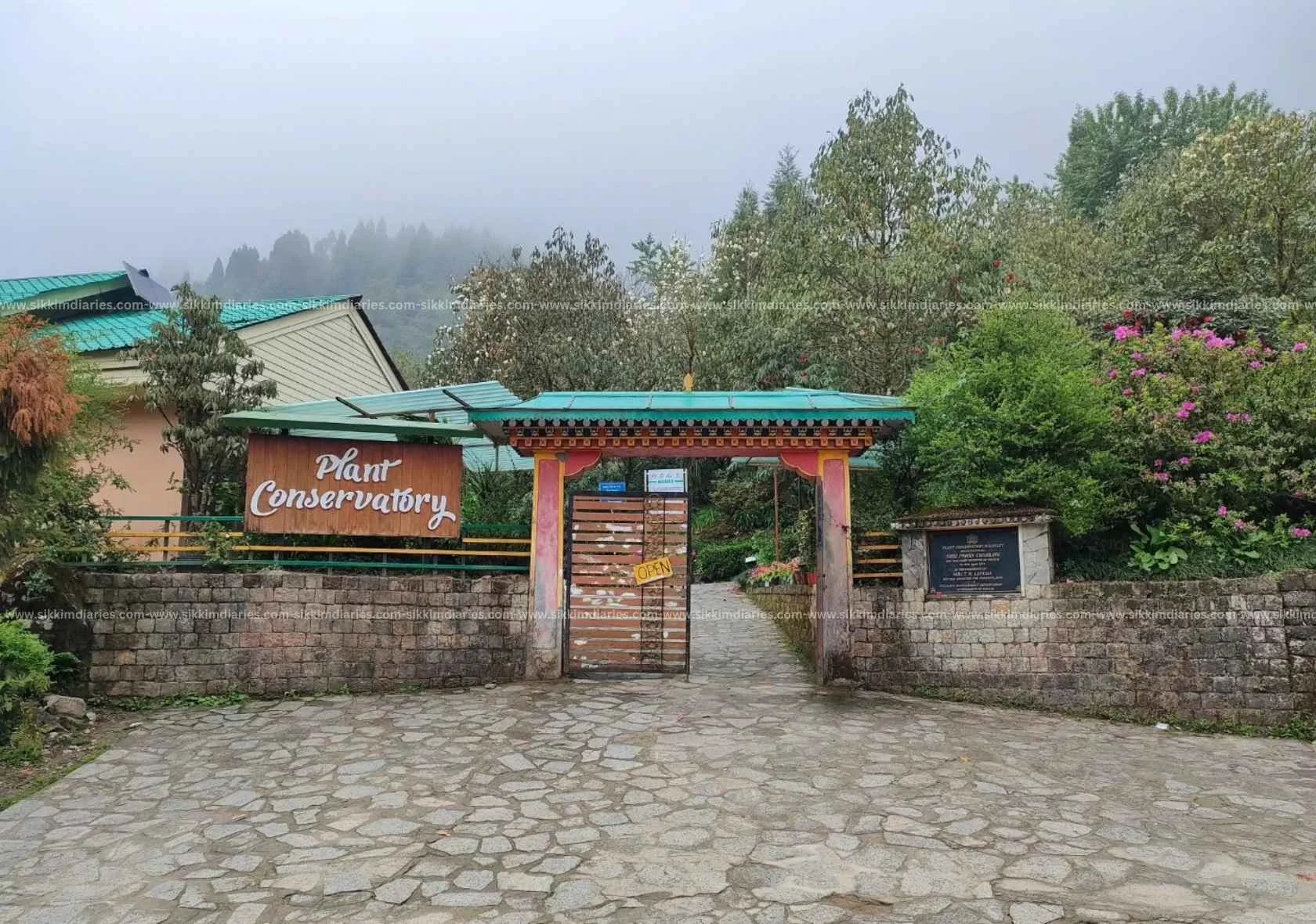
Nestled amidst the misty hills of Gangtok, the Jawaharlal Nehru Botanical Garden Plant Conservatory, popularly known as the Plant Conservatory, is a hidden green paradise that showcases the incredible floral diversity of Sikkim. Home to a fascinating collection of orchids, rare Himalayan plants, flowering species, and medicinal herbs, the conservatory is a must-visit destination for nature lovers, botanists, photographers, and eco-tourists.
Sikkim is renowned as one of the biodiversity hotspots of the Eastern Himalayas, and the Plant Conservatory offers visitors a chance to explore this rich natural heritage in a beautifully maintained environment. Surrounded by lush forests and scenic mountain landscapes, the conservatory provides a refreshing escape from the bustling city while educating visitors about the region's unique flora.
At Sikkim Diaries Tours & Treks, we highly recommend the Plant Conservatory as one of Gangtok's most peaceful and educational attractions.
Where is the Plant Conservatory?
The Plant Conservatory is located within the famous Jawaharlal Nehru Botanical Garden area near Rumtek Road, a short drive from the heart of Gangtok.
Quick Facts
Location: Gangtok, East Sikkim
Altitude: Approximately 5,500 feet
Distance from MG Marg: Around 8 km
Known For: Orchids, Himalayan plants, rare flowers, botanical conservation
Ideal For: Nature lovers, students, photographers, families
Its peaceful setting makes it one of the best eco-tourism destinations in Gangtok.
Why Visit the Plant Conservatory?
Explore Sikkim's Rich Floral Heritage
Sikkim is home to over 4,500 species of flowering plants, making it one of India's most botanically diverse states.
The Plant Conservatory showcases:
Rare orchids
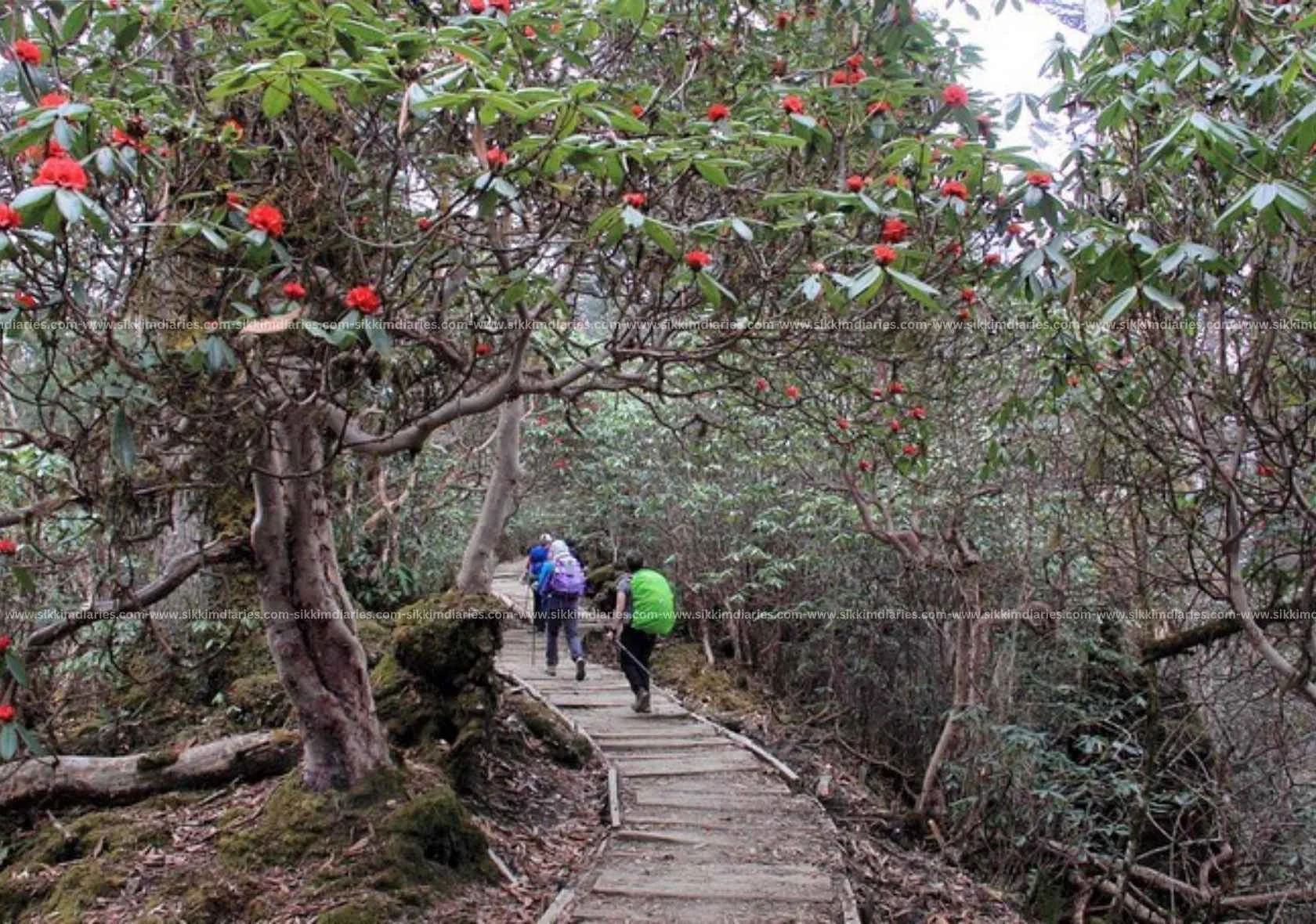
Rhododendrons
Himalayan flowering plants
Medicinal herbs
Ferns and mosses
Endemic plant species
Visitors can gain valuable insight into the state's extraordinary biodiversity.
Orchid Wonderland
One of the major highlights of the conservatory is its collection of beautiful orchids.
Sikkim is famous for having more than 500 species of orchids, and many of them can be seen here.
The vibrant colors and unique shapes make the orchid section a favorite among visitors and photographers.
A Peaceful Nature Retreat
The conservatory offers a calm and refreshing atmosphere where visitors can:
Stroll through landscaped gardens
Enjoy fresh mountain air
Learn about Himalayan flora
Relax amidst greenery
It is an ideal destination for those looking to connect with nature.
A Paradise for Nature Photography
Photography enthusiasts will find countless opportunities throughout the conservatory.
Popular Photography Subjects
Exotic orchids
Rare flowers
Himalayan plants
Butterfly photography
Garden landscapes
Macro photography
The changing seasons ensure fresh photographic opportunities throughout the year.
Flora Found in the Conservatory
Orchids
Sikkim's most famous floral treasure.
Rhododendrons
The state flower and one of the most spectacular blooms in the Himalayas.
Medicinal Plants
Traditional Himalayan medicinal herbs used by local communities for generations.
Ferns and Mosses
Thriving in the cool and humid mountain climate.
Alpine Flowers
Beautiful seasonal blooms found in higher Himalayan regions.
Biodiversity Beyond Plants
The lush environment attracts various forms of wildlife.
Visitors May Spot
Butterflies
Himalayan birds
Bees and pollinators
Small forest creatures
Nature lovers often enjoy combining birdwatching with their botanical exploration.
Attractions Near the Plant Conservatory
1. Rumtek Monastery
One of the largest and most important Buddhist monasteries in Sikkim.
2. MG Marg
Gangtok's vibrant pedestrian boulevard featuring cafes, shops, and local culture.
3. Enchey Monastery
A historic Buddhist monastery known for its spiritual significance.
4. Hanuman Tok
A scenic hilltop temple offering spectacular views of Kangchenjunga.
5. Ganesh Tok
A popular temple and viewpoint overlooking Gangtok.
Best Time to Visit
Spring (March–May)
The best season for flower lovers.
Highlights
Orchid blooms
Rhododendron flowering
Pleasant temperatures
Vibrant gardens
Summer (June–August)
Highlights
Lush greenery
Fresh mountain atmosphere
Abundant plant growth
Autumn (September–November)
Highlights
Clear weather
Excellent photography conditions
Comfortable sightseeing
Winter (December–February)
Highlights
Peaceful environment
Cool weather
Unique seasonal vegetation
The conservatory remains beautiful throughout the year.
How to Reach the Plant Conservatory
By Air
Nearest Airport:
Bagdogra Airport
By Train
Nearest Railway Station:
New Jalpaiguri (NJP)
By Road
The conservatory is easily accessible from Gangtok by:
Taxi
Private vehicle
Local sightseeing tours
Travel time from MG Marg is approximately 20–30 minutes.
Travel Tips
Carry
Comfortable walking shoes
Camera
Water bottle
Light jacket
Binoculars for birdwatching
Recommended Activities
Nature walks
Botanical exploration
Photography
Birdwatching
Educational tours
Explore the Plant Conservatory with Sikkim Diaries Tours & Treks
At Sikkim Diaries Tours & Treks, we offer:
Gangtok Sightseeing Tours
Nature & Botanical Tours
Photography Excursions
Family Holiday Packages
Educational Tours
Eco-Tourism Experiences
Customized Sikkim Itineraries
Our local experts help you discover the rich biodiversity and natural beauty that make Sikkim a true Himalayan paradise.
Nearby Attractions
Combine your visit with other popular Gangtok attractions:
MG Marg - https://share.google/lNutcsG5tBuBz2kEB
Flower Exhibition Centre - https://share.google/FJWsIArdLJDnDkbHf
Gangtok Ropeway - https://share.google/YPL8UIET1a9jjNque
Enchey Monastery- https://share.google/aTmRLc73NURihkLCN
Ganesh Tok - https://share.google/D0a9t9ybMxQZsK5wJ
Hanuman Tok - https://share.google/jQ8HrBDLbfQyh7PDf
Tashi View Point - https://share.google/fJ09bvQmACkiCPs4d
Banjhakri Falls & Energy Park - https://share.google/6Z8PsTJVbPKFbO3mI
Namgyal Institute of Tibetology - https://share.google/xvm59W3999etEEXFt
Do Drul Chorten - https://share.google/iKG1UNLL2PdJHFHWu
Lal Market - https://share.google/aal5q0YB81V4SUVFw
Bakthang Waterfall - https://share.google/jDhq6Vqx9vsCgYp11
These attractions make for a perfect full-day Gangtok sightseeing itinerary.
Final Thoughts
The Plant Conservatory in Gangtok is a hidden gem that beautifully showcases Sikkim's extraordinary floral wealth. From colorful orchids and rare Himalayan plants to peaceful garden landscapes and educational exhibits, it offers a refreshing experience for visitors of all ages.
Whether you're a nature enthusiast, photographer, student, or simply someone who appreciates greenery and tranquility, the Plant Conservatory is a destination that deserves a place on your Gangtok itinerary.
Plan Your Trip with Sikkim Diaries Tours & Treks
Exploring Sikkim is easier when you travel with experienced local experts. Sikkim Diaries Tours & Treks is a registered travel agency based in Sikkim, offering customized tour packages, private taxi services, hotel bookings, trekking expeditions, and permit assistance for travelers visiting the Eastern Himalayas.
Whether you're planning a family vacation, honeymoon, adventure tour, bike trip, or trekking expedition, our local team helps you experience Sikkim comfortably and safely. We create personalized itineraries based on your travel style, budget, and the season, ensuring you make the most of your journey.
Our Services
Customized Sikkim Tour Packages
Gangtok, Pelling, Lachung & Lachen Tours
Silk Route & Zuluk Tour Packages
Darjeeling & North Bengal Tours
North Sikkim Permit Assistance
Nathula Pass Permit Assistance
Hotel & Homestay Bookings
Airport & Railway Station Transfers
Private Taxi & Cab Services
Trekking & Adventure Tours
Group Tours & Corporate Trips
Honeymoon & Family Holiday Packages
Why Choose Sikkim Diaries Tours & Treks?
Local travel experts with extensive destination knowledge
Registered travel agency in Sikkim
Transparent pricing with no hidden charges
Comfortable vehicles driven by experienced local drivers
Carefully selected hotels and homestays
24/7 travel support throughout your journey
Personalized itineraries tailored to your needs
If you're planning a trip to Sikkim, contact Sikkim Diaries Tours & Treks for a hassle-free travel experience. Our team will help you design the perfect itinerary based on your interests, travel dates, and budget.
Share this article
About the Author
Suk Rani Rai
A passionate travel writer based in Sikkim, exploring the hidden corners of the Eastern Himalayas. Dedicated to sharing authentic travel experiences, local culture, and practical tips to help you discover the magic of Sikkim.