Sikkim Diaries
Sign In
© 2025 Sikkim Diaries
Made with ❤️ by Unitech Studio

West Bengal, India
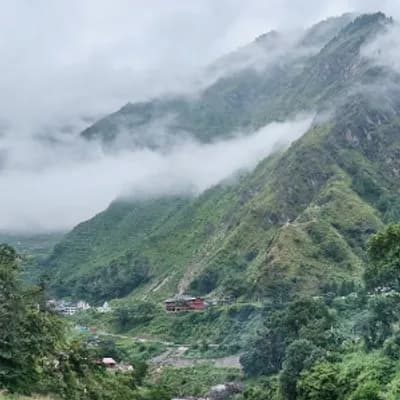
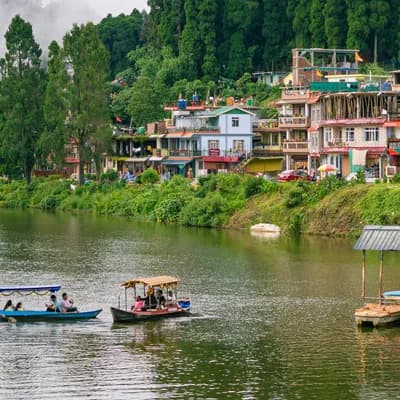
Jorpokhri is a serene, scenic hamlet and wildlife sanctuary in the Darjeeling district of West Bengal, located at 7,400 ft near Sukhia Pokhri. Famous for its twin lakes ("Jor" meaning two, "Pokhri" meaning lake) and views of Kanchenjunga, it is a popular offbeat destination for nature lovers.
Jhor Pokhari is a peaceful twin lake located near the Indo-Nepal border in the hills of district, West Bengal. Situated at an altitude of around 7,400 ft (2,250 meters), this offbeat destination is known for its calm surroundings, scenic beauty, and rich biodiversity.
The name “Jhor Pokhari” literally means “Twin Lakes,” and the area is famous for its natural water bodies surrounded by dense forests of pine and oak trees. The lakes are home to the rare Himalayan salamander, making it an important ecological site.
West Bengal
0 Active Tours
₹0
Peaceful Offbeat Hill Destination
Discover what makes this destination special and why travelers from around the world choose to explore Jorpokhri.
Jhor Pokhari, meaning “Twin Lakes,” features two serene natural water bodies surrounded by pine and oak forests, creating a calm and refreshing atmosphere.
The lakes are home to the endangered Himalayan salamander, making it an ecologically important and unique destination for wildlife enthusiasts.
On clear days, visitors can enjoy panoramic views of the surrounding Himalayan hills and valleys, offering excellent photography opportunities.
Browse our curated tour packages and start planning your unforgettable journey today!
Plan your trip to Jorpokhri with our seasonal guide. Each season offers unique experiences and different weather conditions to enhance your journey.
March - May
8°C to 18°C
Spring is considered the best time to visit Jhor Pokhari. The weather remains cool and pleasant, and the surrounding forests look lush and vibrant. Clear skies offer beautiful views of the Himalayan hills, making it perfect for sightseeing, photography, and nature walks.
October - November
5°C - 15°C
Autumn is another excellent time to visit. The skies are crystal clear, offering stunning views of the Himalayan ranges. The cool breeze and peaceful environment make it ideal for family trips and relaxation.
December - February
2°C - 10°C
Winter brings chilly weather and occasional frost. It is perfect for travelers who enjoy cold climates and peaceful surroundings. The lakes and forests look magical during this time.
March - June
10°C - 20°C
Summer is one of the best times to visit Jhor Pokhari, especially for travelers looking to escape the heat of the plains. The weather remains cool, fresh, and comfortable throughout the day.
Jhor Pokhari, located near at an altitude of around 7,400 ft, offers pleasant weather almost throughout the year. However, the best time to visit depends on what kind of experience you’re looking for.
Find answers to common questions about visiting Jorpokhri
Jhor Pokhari is located near Sukhiapokhri in the district of West Bengal, close to the India–Nepal border.
Jhor Pokhari is famous for its twin natural lakes, peaceful environment, scenic Himalayan views, and as a habitat of the rare Himalayan salamander.
The best time to visit is from March to May (Spring/Summer) and October to November (Autumn) when the weather is pleasant and the skies are clear.
Jhor Pokhari is approximately 20 km from Darjeeling, and it takes about 1–1.5 hours by road.
On clear days, visitors may enjoy beautiful views of the surrounding Himalayan ranges, though views depend on weather conditions.
Yes — while accommodation right next to Jhor Pokhari is limited, there are several homestays and guesthouses in Sukhiapokhri village and nearby areas. You can also stay in Darjeeling town and visit Jhor Pokhari on a day trip.
You can enjoy nature walks, photography, birdwatching, picnics by the lakes, and peaceful relaxation in the forest surroundings.
No — there are no formal restaurants right at Jhor Pokhari itself. It’s a remote and peaceful forest area, so food options near the lakes are limited.
Yes. The area is peaceful, quiet, and free from major safety concerns. It is popular with families, couples, and solo travelers.
For domestic tourists (Indian citizens): No special permit is required to visit Jhor Pokhari itself. For foreign tourists: A Protected Area Permit (PAP) may be required if you are visiting border areas beyond Sukhiapokhri. Usually, Jhor Pokhari can be visited without additional permits if staying on the main tourist trail.
Explore more places in West Bengal