Sikkim Diaries
Sign In
© 2025 Sikkim Diaries
Made with ❤️ by Unitech Studio

West Bengal, India
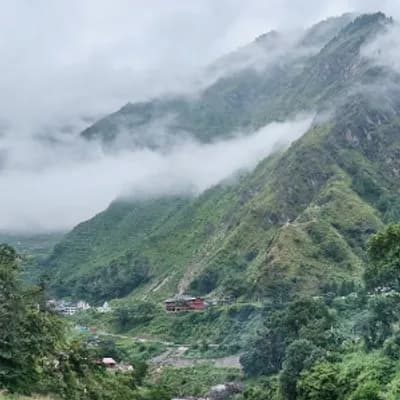
Ghum (or Ghoom) is a serene, high-altitude neighborhood in the Darjeeling Himalayan hill region of West Bengal, India, situated at 7,407 ft (2,258 meters). Known as the home of India's highest railway station—a UNESCO World Heritage site—it is a, popular stop for the Darjeeling Toy Train and offers spectacular, misty views of the Himalayas.
Ghum, located in the Darjeeling district of West Bengal, is one of the highest railway stations in India and a charming hilltop village that offers breathtaking views of the Himalayas. Perched at an altitude of 7,407 feet (2,258 meters), Ghum is a serene getaway that attracts travelers seeking natural beauty, history, and spirituality.
West Bengal
0 Active Tours
₹0
India’s Highest Railway Station
Discover what makes this destination special and why travelers from around the world choose to explore Ghum.
he village offers panoramic vistas of snow-capped peaks and lush tea gardens.
It is famous for the Darjeeling Himalayan Railway, a UNESCO World Heritage site. The toy train ride to Ghum is a must-do for tourists.
Away from the hustle of Darjeeling town, Ghum provides a tranquil escape amidst nature.
Browse our curated tour packages and start planning your unforgettable journey today!
Discover the must-visit places in Ghum. From breathtaking natural wonders to cultural landmarks, there's something for every traveler.
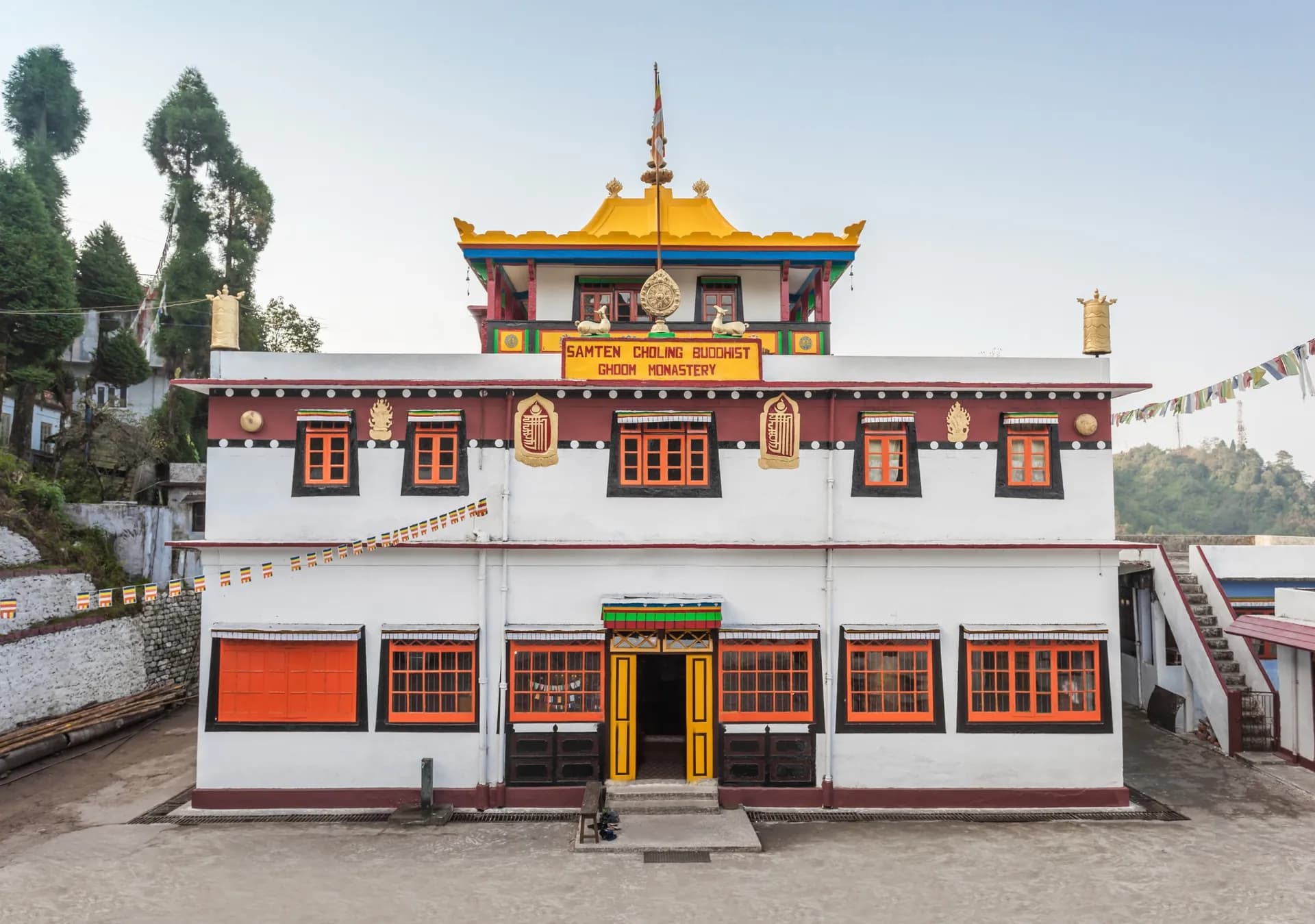
One of the oldest Tibetan Buddhist monasteries in the region, dating back to 1850. Known for its large statue of Maitreya Buddha and peaceful ambiance.

A unique railway loop offering panoramic views of Darjeeling town and Mt. Kanchenjunga. Perfect for photography and heritage railway enthusiasts.
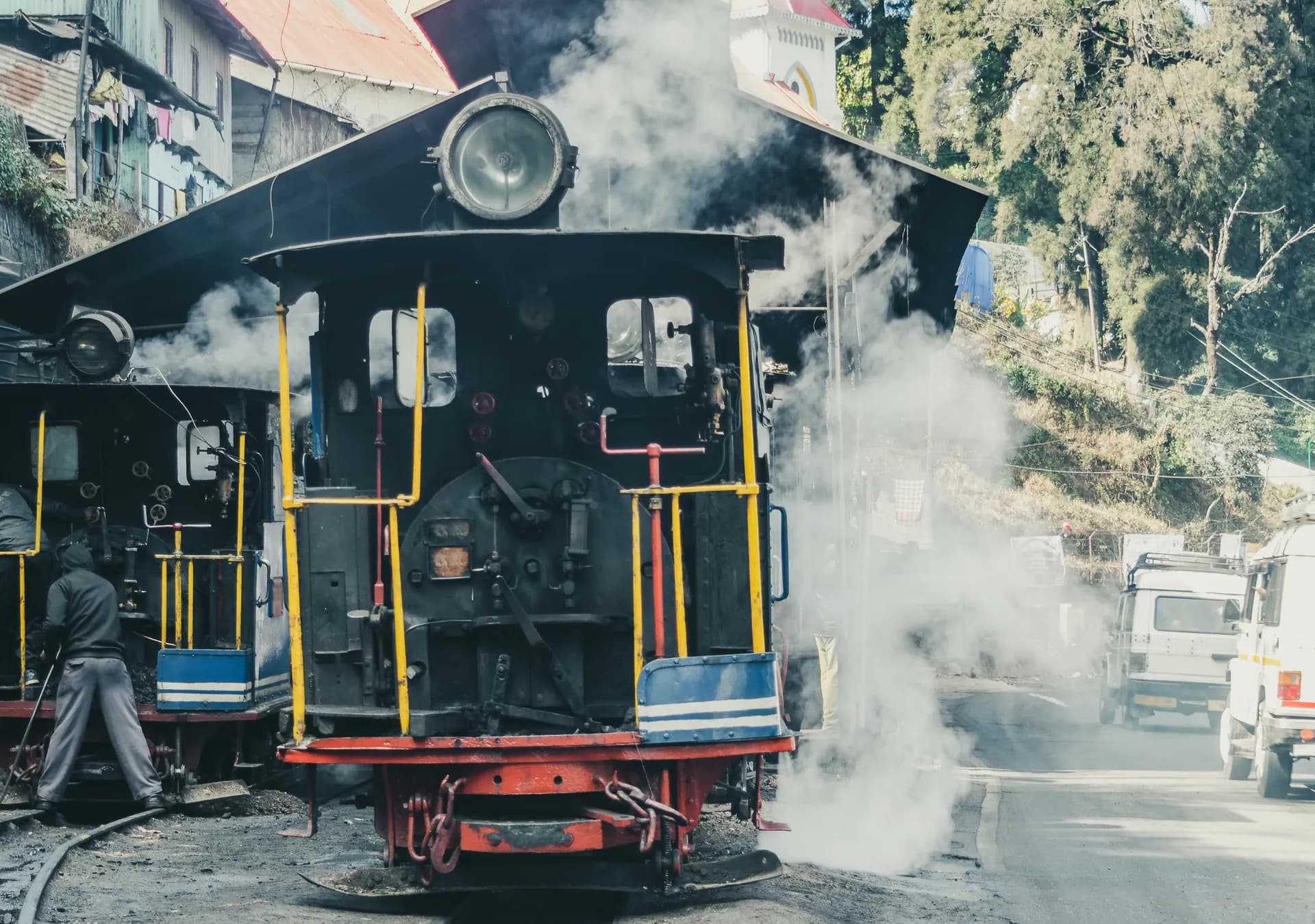
Take a toy train ride from Ghum to Darjeeling or vice versa to experience UNESCO World Heritage charm, winding tracks, and scenic views.

Famous for sunrise views over Mt. Kanchenjunga and Mt. Everest. Can be reached from Ghum in ~30–40 minutes by road.
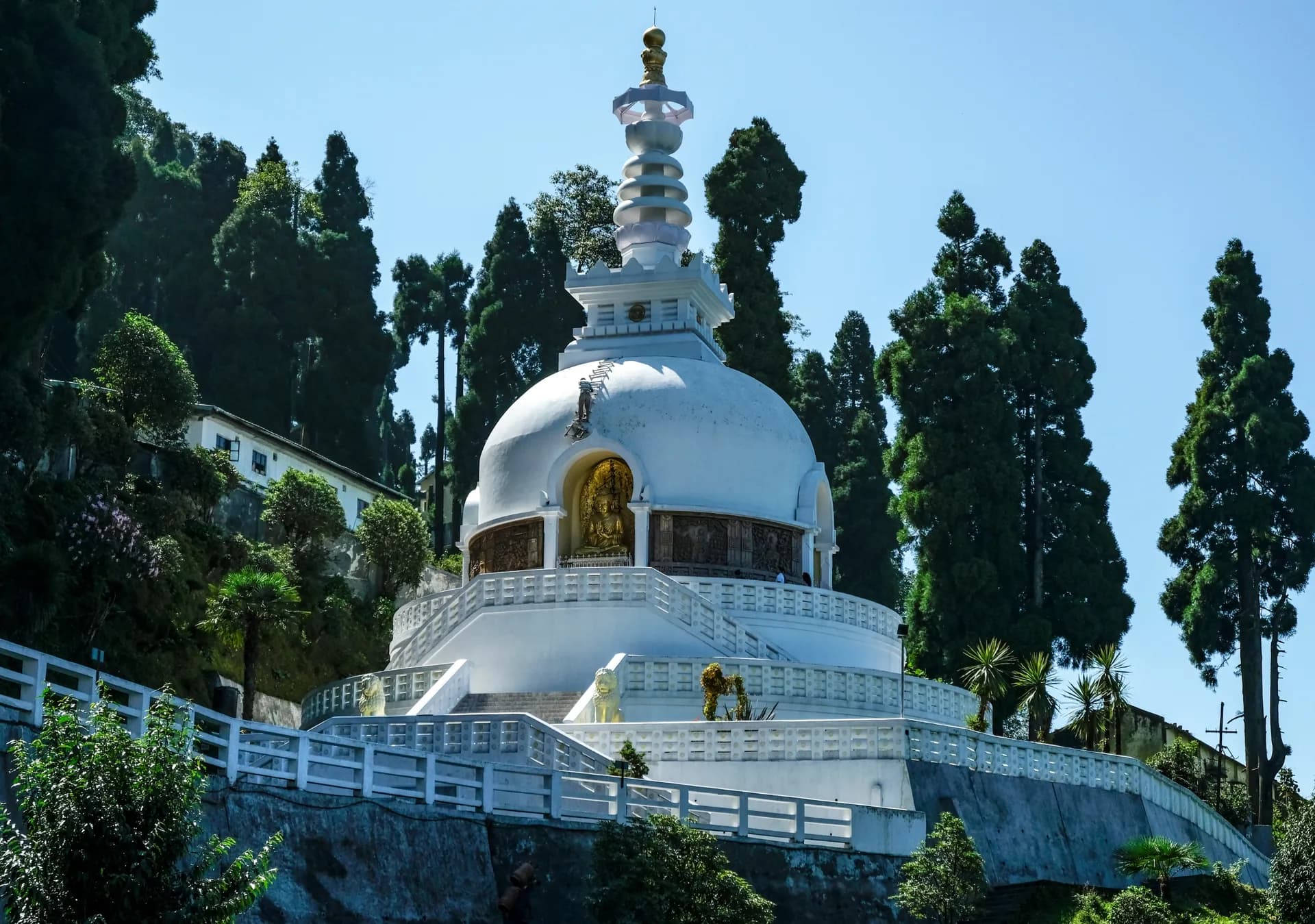
A serene Buddhist stupa built by Japanese monks, offering panoramic views of Darjeeling and the surrounding hills.
Plan your trip to Ghum with our seasonal guide. Each season offers unique experiences and different weather conditions to enhance your journey.
March – May
10°C – 20°C
Spring is one of the most pleasant seasons to visit Ghum. The weather is mild, flowers bloom in the surrounding hills, and the tea gardens look vibrant. This is perfect for sightseeing, photography, and short hikes.
September – November
10°C – 18°C
Autumn is considered the best time to visit Ghum. Post-monsoon, the sky is clear, offering unobstructed views of snow-capped Himalayan peaks. The weather is pleasant, making sightseeing and outdoor activities enjoyable.
December – February
0°C – 10°C
Winters are cold with occasional frost. The landscape is serene and less crowded, perfect for travelers seeking peace and solitude. Snowfall is rare but possible in higher areas nearby.
March – Ma
10°C – 20°C
Summer in Ghum is mild and extremely pleasant, making it the ideal time for sightseeing and outdoor activities. The weather is comfortable, with cool breezes and clear skies, perfect for exploring the hills and nearby attractions. The surrounding tea gardens and forests come alive with vibrant greenery, and flowers like rhododendrons bloom in full glory.
Ghum is a hill station located at an altitude of 7,407 ft (2,258 m), so its climate is generally cool throughout the year. The best time to visit depends on what you want to experience—scenic views, trekking, or cultural exploration.
Find answers to common questions about visiting Ghum
Ghum is only 8 km from Darjeeling. You can reach by: Taxi or private car: Most convenient and flexible. Shared jeep: Affordable option for local travelers. Toy Train: Via the Darjeeling Himalayan Railway, offering a scenic experience.
The closest airport is Bagdogra Airport (IXB), around 70 km from Ghum. From there, taxis or shared cabs to Darjeeling and onward to Ghum are available.
The nearest major railway station is New Jalpaiguri (NJP), approximately 72 km away. From NJP, you can take taxis or buses to Darjeeling, then proceed to Ghum.
A half-day to a full day is sufficient for sightseeing Ghum itself, including the monastery and Batasia Loop. For trekking or exploring nearby villages, you may stay 1–2 days.
Accommodation within Ghum is limited. Travelers usually stay in Darjeeling, which offers hotels, homestays, and guesthouses with easy access to Ghum.
Accommodation options in Ghum are limited. Most travelers prefer staying in Darjeeling, which is nearby and offers hotels, guesthouses, and homestays.
Yes, Ghum is a starting point for short treks to nearby villages and viewpoints. For longer treks like Sandakphu, you’ll need to plan a separate itinerary.
Food options within Ghum are limited. Travelers usually dine in Darjeeling or carry packed food while exploring the village.
Yes, Ghum is generally safe for tourists. Take precautions during the monsoon season as roads may become slippery. Carry warm clothing in winters.
No special permits are required for Indian tourists. Foreigners may need an Inner Line Permit to access some nearby restricted areas in Sikkim.
Explore more places in West Bengal