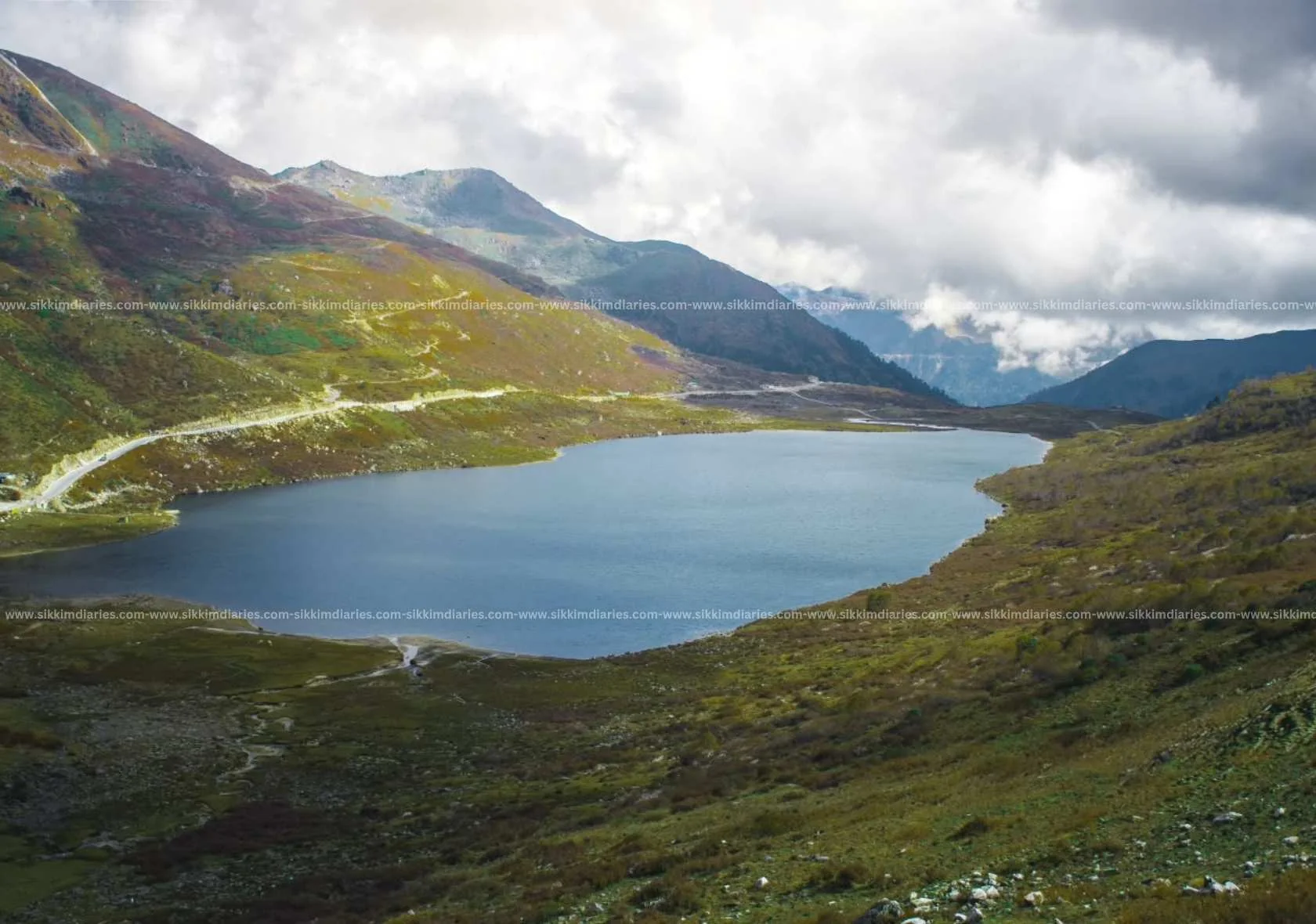
Located at an altitude of 12,310 feet (3,753 meters) in the majestic Eastern Himalayas, Tsomgo Lake, also known as Changu Lake, is one of Sikkim's most iconic tourist attractions. Surrounded by snow-capped mountains, glacial landscapes, and colorful alpine vegetation, this sacred high-altitude lake attracts thousands of visitors every year.
Just 40 km from Gangtok, Tsomgo Lake is famous for its crystal-clear waters, breathtaking scenery, yak rides, seasonal flowers, and its importance in local Buddhist culture. Whether you're a nature lover, photographer, adventure seeker, or spiritual traveler, Tsomgo Lake promises an unforgettable Himalayan experience.
About Tsomgo Lake
The word "Tsomgo" comes from the Bhutia language:
Tso = Lake
Mgo = Head
Meaning "Source Lake."
The lake was formed by glacial melt and remains frozen during much of winter. Stretching nearly 1 km long and surrounded by towering Himalayan peaks, Tsomgo Lake is considered sacred by the local Sikkimese people.
The lake changes its appearance with every season, making it one of the most photogenic destinations in Northeast India.
Why Visit Tsomgo Lake?
Tsomgo Lake is one of the highlights of any Sikkim itinerary.
Highlights
Stunning glacial lake
Snow-covered mountains
Crystal-clear blue waters
Yak rides
Ropeway nearby (seasonal)
Himalayan birds and wildlife
Rhododendron blooms in spring
Winter snowfall
Excellent photography
Sacred Buddhist site
Easy day trip from Gangtok
History & Cultural Significance
For centuries, Buddhist monks believed the lake possessed spiritual powers and used its changing water colors to predict the future.
Even today, Tsomgo Lake is regarded as sacred by local communities, and visitors are encouraged to respect the religious and ecological importance of the area.
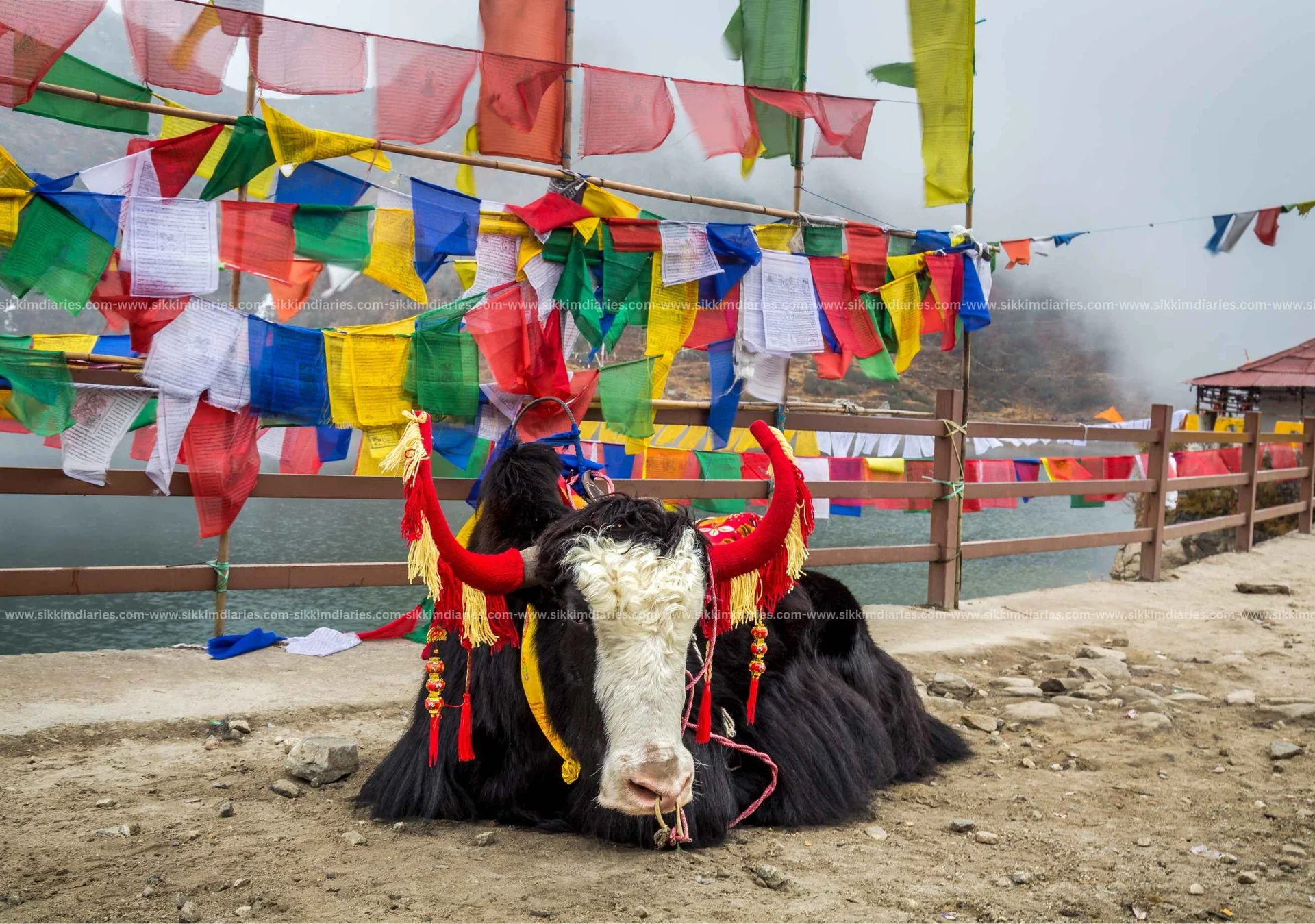
Prayer flags flutter around the lake, adding to its peaceful and spiritual atmosphere.
Best Time to Visit
Spring (March–May)
Blooming rhododendrons
Pleasant weather
Crystal-clear lake
Excellent photography
Temperature:
5°C to 15°C
Summer (June)
Green mountains
Pleasant climate
Light mist
Temperature:
8°C to 18°C
Monsoon (July–September)
Beautiful clouds
Lush surroundings
Possible landslides and road delays
Travel with caution.
Autumn (October–November)
One of the best seasons.
Expect:
Clear skies
Excellent Kanchenjunga views
Calm lake
Comfortable weather
Temperature:
2°C to 12°C
Winter (December–February)
The lake often freezes completely.
Expect:
Heavy snowfall
Frozen lake
White Himalayan landscapes
Magical winter scenery
Temperature:
-10°C to 5°C
Things to Do at Tsomgo Lake
Enjoy the Scenic Beauty
Walk around the lake and admire its changing colors, depending on the season and weather.
Ride a Himalayan Yak
Traditional yak rides are one of the biggest attractions and provide excellent photo opportunities.
Experience Snowfall
During winter, visitors can enjoy fresh snow and breathtaking frozen landscapes.
Photography
Capture:
Snow-covered peaks
Frozen lake
Prayer flags
Yaks
Sunrise reflections
Himalayan landscapes
Bird Watching
The area is home to several Himalayan bird species, including:
Brahminy Ducks
Himalayan Monal
Blood Pheasant
Various migratory birds
Ropeway Experience
A cable car near Tsomgo Lake offers spectacular aerial views of:
Tsomgo Lake
Snow-covered valleys
Himalayan peaks
Mountain landscapes
The ropeway operates subject to weather conditions.
Entry Fee & Permit
There is no entry fee for the lake itself.
However, visitors require a Protected Area Permit (PAP).
The permit is arranged through a registered Sikkim travel agency.
Carry:
Original government ID
Passport-size photographs
Foreign nationals are generally not permitted to visit Tsomgo Lake.
How to Reach Tsomgo Lake
Distance from Gangtok: Approximately 40 km
Travel Time: 1.5–2 hours
Visitors usually travel by:
Reserved taxi
Shared sightseeing vehicle
Guided East Sikkim tour
Road conditions are generally good but weather can affect travel.
Nearby Attractions
Combine your trip with:
Nathula Pass - https://share.google/xhfr4wtG45kAcg4ZC
Old Baba Mandir - https://share.google/iimXg58CpGNrTeYne
New Baba Mandir - https://share.google/CvfJKzBT6N7Ly35UP
Kupup Lake (Elephant Lake) - https://share.google/ik1WHeqItUVnqwuJZ
Tukla Valley - https://share.google/vXBffEIRHa9bf3NWR
Lungthung Viewpoint - https://share.google/U6svKyMeBz0EAK3VT
Nathang Valley - https://share.google/uC0B1f19yytbD2MCP
Zuluk (Old Silk Route) - https://share.google/Hk1xiSdGnSXeTgaSI
Travel Tips
Carry warm clothing throughout the year.
Wear comfortable walking shoes.
Start early from Gangtok.
Carry sunglasses and sunscreen.
Drink plenty of water to reduce the effects of high altitude.
Avoid plastic litter.
Respect local customs and wildlife.
Follow Army and permit regulations.
Carry cash, as digital payment options may be limited.
Altitude Sickness Tips
Since Tsomgo Lake is above 12,000 feet, some visitors may experience mild altitude sickness.
To stay comfortable:
Walk slowly.
Stay hydrated.
Avoid alcohol before your trip.
Do not overexert yourself.
Consult your doctor if you have heart or respiratory conditions.
Why You Should Visit Tsomgo Lake
Tsomgo Lake perfectly captures the beauty of the Eastern Himalayas. Whether covered in snow during winter or reflecting blue skies in summer, every season offers a completely different experience.
Its sacred significance, spectacular mountain scenery, and easy accessibility from Gangtok make it one of the top destinations in Sikkim.
Frequently Asked Questions (FAQs)
1. Where is Tsomgo Lake located?
Tsomgo Lake, also known as Changu Lake, is located about 40 km from Gangtok in East Sikkim at an altitude of 12,310 feet (3,753 meters).
2. Why is Tsomgo Lake famous?
Tsomgo Lake is famous for its crystal-clear glacial waters, snow-covered mountains, yak rides, breathtaking scenery, and its religious significance to the local Buddhist community.
3. Do I need a permit to visit Tsomgo Lake?
Yes. Indian citizens require a Protected Area Permit (PAP), which can be arranged through a registered Sikkim travel agency. Foreign nationals are generally not permitted to visit Tsomgo Lake.
4. Is there an entry fee for Tsomgo Lake?
There is no entry fee for the lake itself. However, permit charges and vehicle fees may apply.
5. What is the best time to visit Tsomgo Lake?
The best time to visit is March to May for blooming flowers and pleasant weather, and October to December for clear skies and spectacular Himalayan views.
6. Does Tsomgo Lake freeze in winter?
Yes. During December to February, Tsomgo Lake often freezes completely and is surrounded by snow, making it one of Sikkim's most beautiful winter destinations.
7. How can I reach Tsomgo Lake?
You can reach Tsomgo Lake by private taxi, shared taxi, or guided East Sikkim tour from Gangtok. The journey takes approximately 1.5–2 hours.
8. How far is Tsomgo Lake from Gangtok?
Tsomgo Lake is approximately 40 km from Gangtok.
9. Can I visit Tsomgo Lake and Nathula Pass on the same day?
Yes. Most East Sikkim sightseeing tours include Tsomgo Lake, Baba Mandir, and Nathula Pass in a single day, subject to permit approval and weather conditions.
10. Is yak riding available at Tsomgo Lake?
Yes. Traditional Himalayan yak rides are available near the lake and are one of the most popular attractions for visitors.
11. Is Tsomgo Lake suitable for children and senior citizens?
Yes, but since the lake is located at over 12,000 feet, visitors should take precautions against altitude sickness, especially children, senior citizens, and people with heart or respiratory conditions.
12. What should I carry while visiting Tsomgo Lake?
Carry warm clothing, comfortable shoes, sunglasses, sunscreen, drinking water, snacks, your original ID, permit documents, and any personal medication.
13. What are the nearby attractions?
Nearby attractions include Nathula Pass, Old Baba Mandir, New Baba Mandir, Kupup Lake (Elephant Lake), Tukla Valley, Zuluk, Nathang Valley, and Lungthung Viewpoint.
14. Is photography allowed at Tsomgo Lake?
Yes. Photography is allowed and the lake is one of the best places in Sikkim for capturing Himalayan landscapes, snow, yaks, and scenic mountain views.
15. Is Tsomgo Lake worth visiting?
Absolutely. Tsomgo Lake is one of Sikkim's most iconic attractions, offering breathtaking Himalayan scenery, spiritual significance, snow experiences, yak rides, and unforgettable high-altitude landscapes.
Tsomgo Lake is much more than a scenic stop, it's one of Sikkim's most treasured natural wonders. Surrounded by towering mountains, steeped in local traditions, and offering unforgettable Himalayan views, it remains a must-visit destination for every traveler.
If you're planning a trip to Gangtok, combine Tsomgo Lake, Nathula Pass, Baba Mandir, Kupup Lake, and the Old Silk Route for an unforgettable East Sikkim adventure.
Plan Your Trip with Sikkim Diaries Tours & Treks
Exploring Sikkim is easier when you travel with experienced local experts. Sikkim Diaries Tours & Treks is a registered travel agency based in Sikkim, offering customized tour packages, private taxi services, hotel bookings, trekking expeditions, and permit assistance for travelers visiting the Eastern Himalayas.
Whether you're planning a family vacation, honeymoon, adventure tour, bike trip, or trekking expedition, our local team helps you experience Sikkim comfortably and safely. We create personalized itineraries based on your travel style, budget, and the season, ensuring you make the most of your journey.
Our Services
Customized Sikkim Tour Packages
Gangtok, Pelling, Lachung & Lachen Tours
Silk Route & Zuluk Tour Packages
Darjeeling & North Bengal Tours
North Sikkim Permit Assistance
Nathula Pass Permit Assistance
Hotel & Homestay Bookings
Airport & Railway Station Transfers
Private Taxi & Cab Services
Trekking & Adventure Tours
Group Tours & Corporate Trips
Honeymoon & Family Holiday Packages
Why Choose Sikkim Diaries Tours & Treks?
Local travel experts with extensive destination knowledge
Registered travel agency in Sikkim
Transparent pricing with no hidden charges
Comfortable vehicles driven by experienced local drivers
Carefully selected hotels and homestays
24/7 travel support throughout your journey
Personalized itineraries tailored to your needs
If you're planning a trip to Sikkim, contact Sikkim Diaries Tours & Treks for a hassle-free travel experience. Our team will help you design the perfect itinerary based on your interests, travel dates, and budget.
Share this article
About the Author
Suk Rani Rai
A passionate travel writer based in Sikkim, exploring the hidden corners of the Eastern Himalayas. Dedicated to sharing authentic travel experiences, local culture, and practical tips to help you discover the magic of Sikkim.